

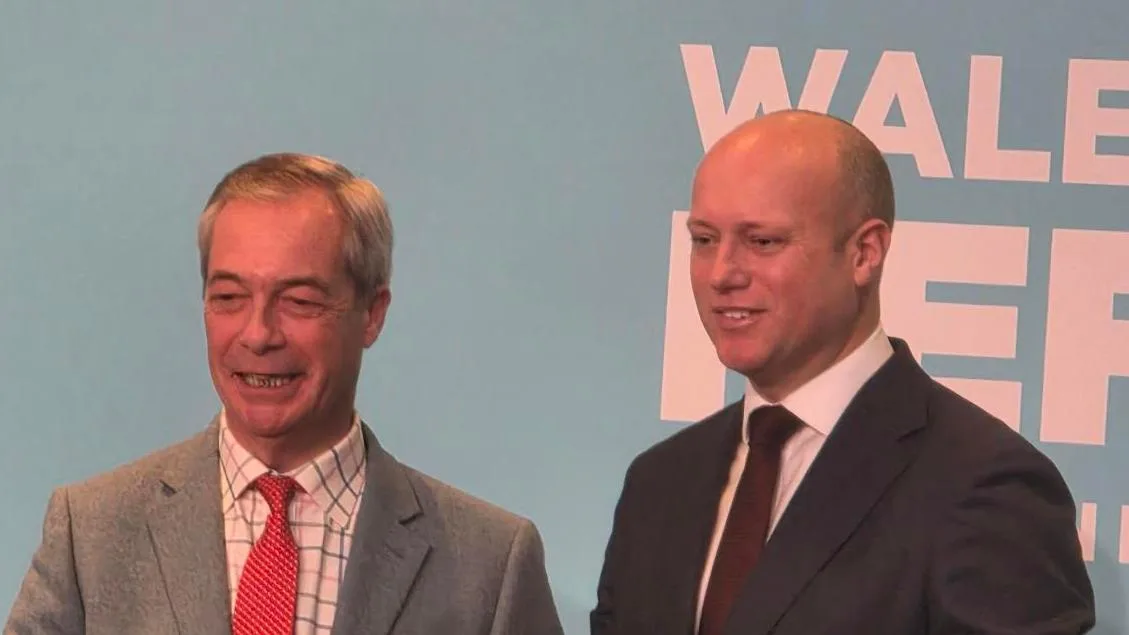
Who is Thomas Farage?
Thomas Farage, a prominent figure in British politics, has garnered significant attention for his unyielding stance on various issues, particularly regarding the United Kingdom’s relationship with the European Union. Born in 1964 in Harrow, London, Farage’s early life laid the groundwork for his future political aspirations. He attended Dulwich College, a prestigious independent school, which enabled him to pursue higher education at the University of Leeds, where he studied history. This educational background contributed to the development of his analytical skills and understanding of political history.
After completing his education, Farage began his career in finance, working as a commodities trader. His foray into politics began in earnest in the 1990s when he joined the UK Independence Party (UKIP). thomas farage His decision to shift from a career in finance to one in politics was driven by his growing concern over the UK’s membership in the EU. Farage’s early involvement with UKIP helped solidify his reputation as a passionate advocate for British sovereignty.
Over the years, Thomas Farage has played a crucial role in numerous political campaigns, most notably the campaign for Brexit, which sought to withdraw the UK from the EU. His charismatic public speaking skills and ability to connect with a diverse audience propelled him into the national spotlight. Farage has often been a controversial figure, known for his candid remarks and strong opinions, which have both attracted supporters and incited criticism. His candidacy as a Member of the European Parliament, along with his leadership role within UKIP, marked pivotal moments in his career, establishing him as a significant player in the sphere of British politics.
Political Ideologies and Beliefs
Thomas Farage, a significant figure in contemporary British politics, is often associated with a distinctive set of political ideologies that have shaped his public persona and contributions. A staunch advocate for national sovereignty, Farage has consistently argued that the United Kingdom should reclaim its legislative power from external authorities, particularly the European Union (EU). This advocacy stems from his belief that decisions affecting British citizens should be made within the UK, reflecting the principles of self-governance and democratic accountability.
Farage’s views on immigration policies further illustrate his political stance. He has long contended that the UK should have greater control over its borders, a belief that aligns with wider sentiments around national identity and security. His emphasis on limiting immigration flows, particularly from outside the EU, is founded on concerns regarding social cohesion and the economic impacts of large-scale migration. This perspective has resonated with segments of the British population, influencing public opinion and contributing to the discourse surrounding Brexit.
When examining Thomas Farage’s relationship with the European Union, it is evident that his opposition has significantly affected the political landscape. By advocating for Brexit, he galvanized a movement that brought issues of sovereignty and immigration to the forefront of political discussions. His ability to articulate fears surrounding the EU’s regulatory frameworks and perceived erosion of national identity has contributed to a shift in how these topics are considered by the electorate. Over the years, Farage’s ideologies have evolved, reflecting changes in public sentiment and the political climate, yet the core principles of nationalism and skepticism towards supranational entities have remained constants in his narrative.
Major Contributions and Achievements
Thomas Farage has been a pivotal figure in shaping modern political discourse, particularly in the United Kingdom. Known for his charismatic leadership and ability to connect with a diverse range of voters, Farage has made significant contributions that have left a lasting impact on both politics and society at large. His tenure as the leader of the UK Independence Party (UKIP) was marked by a focus on advocating for the country’s independence from the European Union, a campaign that ultimately gained widespread support and culminated in the Brexit referendum.
One of Farage’s key achievements was his role in mobilizing public opinion around Brexit, which showcased his ability to tap into national sentiment. He articulated a vision for a sovereign Britain, emphasizing themes of self-governance, economic independence, and national identity. Through his passionate speeches and media appearances, Farage was able to galvanize a substantial grassroots movement that transcended traditional party lines, making the concept of leaving the EU a mainstream political issue.
In addition to his work on Brexit, Farage has been an outspoken advocate on various issues including immigration, economic reform, and globalization. His criticisms of mass immigration policies resonated with many who felt that their voices were not being heard in the political arena. Furthermore, his influence extends beyond party politics, as he has actively participated in public debates and discussions, shaping narratives that reflect the concerns of a significant segment of the population.
Moreover, Farage’s rhetorical style and ability to engage directly with voters have contributed to shifts in the political landscape, prompting other political figures to reassess their stances on previously contentious issues. Overall, Thomas Farage‘s contributions have not only altered the trajectory of British politics but have also left an indelible mark on contemporary social dynamics.
Public Perception and Controversies
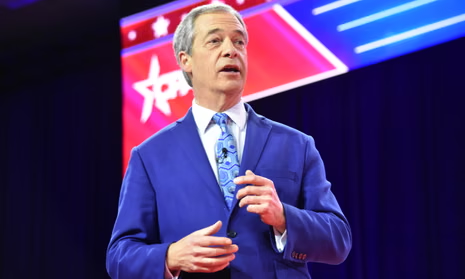
Thomas Farage has long been a polarizing figure in British politics, drawing both ardent supporters and vocal critics. His advocacy for Brexit under the banner of the UK Independence Party (UKIP) and later as the leader of the Brexit Party has significantly impacted his public image. Supporters laud him for his steadfastness and clear vision regarding Britain’s departure from the European Union, viewing him as a champion of national sovereignty and a defender of British values. This perspective has garnered him a dedicated following, particularly among those who align with his views on immigration and international regulations.
However, Farage is no stranger to controversy. He has faced considerable backlash for his remarks, some of which have been perceived as inflammatory or divisive. Critics often characterize him as promoting nationalism at the expense of social cohesion and inclusivity. High-profile moments, such as his comments during the Brexit campaign and his media appearances, have often led to accusations of xenophobia and populism. Such incidents have sparked intense debate regarding the balance between freedom of speech and the potential for harmful rhetoric.
The media plays a crucial role in shaping the narrative surrounding Thomas Farage. Coverage of his actions and statements can swing between depicting him as a political maverick and framing him as a controversial provocateur. This duality complicates the public’s perception, as many individuals may internalize these conflicting portrayals when forming their opinions on his legacy. As Farage continues to navigate the political landscape, the interaction between his actions, media portrayal, and societal reactions remains critical in understanding his influence on UK politics and public discourse.
