

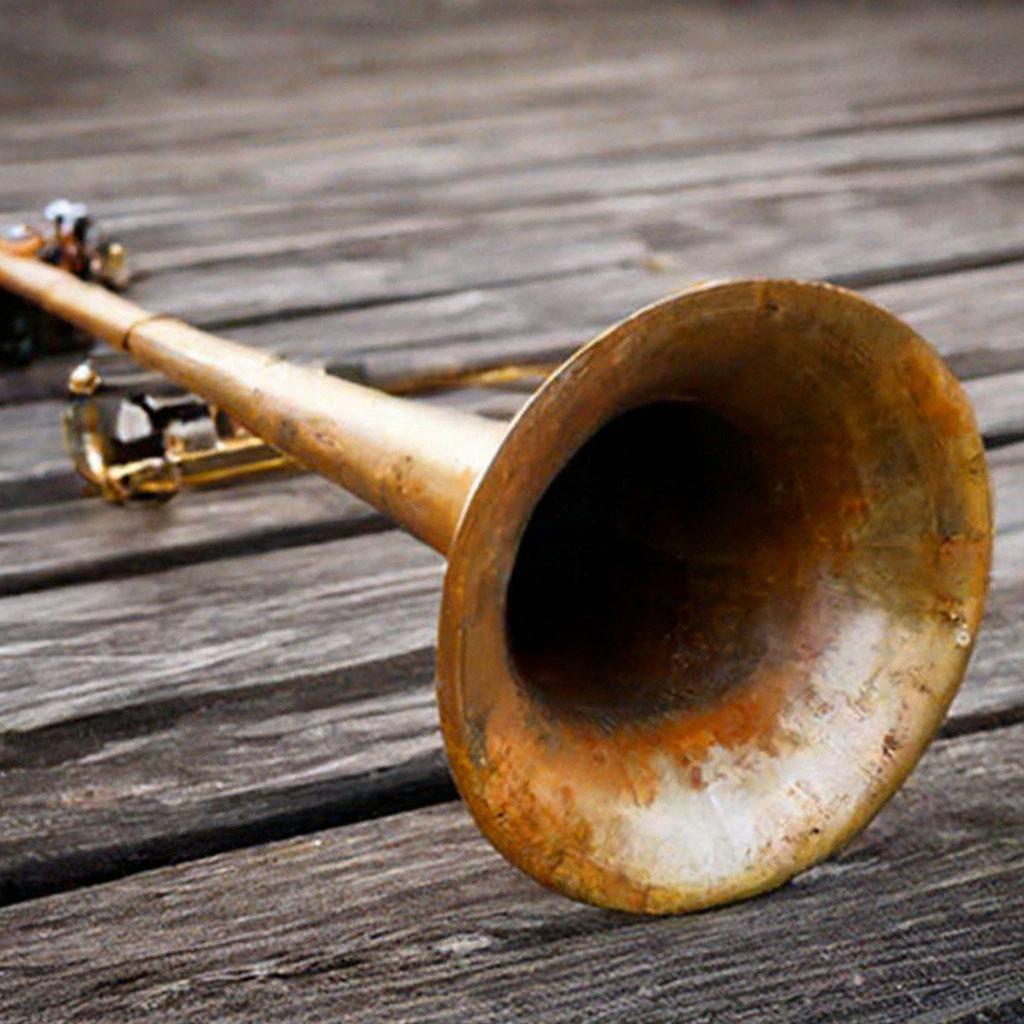
What is a Rusty Trombone?
The term “rusty trombone” is commonly recognized as part of a distinct lexicon within adult humor, describing a rather risqué sexual act that involves simultaneous stimulation of two erogenous zones. The term has established its place within various informal and colloquial discussions due to its humorous undertones and surprising imagery. The origins of the phrase seem to trace back to a playful juxtaposition between the musical instrument and the actions it metaphorically signifies.
Despite its amusing connotation, many misconceptions surround what a rusty trombone truly entails. Some individuals may misinterpret it as merely a crude joke, while others might view it as an offbeat anecdote indicative of contemporary sexual culture. Regardless, its rise in popularity has been markedly influenced by references in popular culture, including television shows, films, and online content, often portraying it in a light-hearted or comedic manner.
The cultural implications of the rusty trombone are significant, particularly in how they reflect societal attitudes towards sexuality and humor. Anecdotes about the act itself can be found throughout online forums and social media, where users share their interpretations or experiences. Furthermore, the term has also been utilized in comedic sketches and acts, enhancing its visibility and embedding it further into the fabric of modern humor.
This playful expression not only highlights the creativity of language but also exemplifies how certain phrases can evolve within social contexts, often carrying layers of meaning that extend beyond their immediate definitions. Understanding what a rusty trombone entails, therefore, goes beyond mere terminology; it opens a window into societal norms and the ever-evolving landscape of adult amusement.
The Rusty Trombone in Popular Culture
The concept of the rusty trombone has found its way into various facets of popular culture, often serving as a vehicle for humor and satire. This sexual innuendo has been referenced in multiple television series, films, and online platforms, showcasing society’s increasingly relaxed views towards previously taboo subjects. Notably, the rusty trombone was humorously depicted in popular television shows such as “Family Guy” and “The Office,” where it is used as a punchline, suggesting the acceptance of risqué humor in mainstream media.
In the realm of cinema, the rusty trombone appears in comedies that seek to push boundaries. Films often include a variety of sexual double entendres, and references to the rusty trombone allow for a play on the absurdity surrounding sexual acts. By presenting the term within a comedic context, filmmakers not only entertain but also reflect on the evolving perceptions of sexuality. This representation reveals how such concepts have transitioned from being taboo to being openly discussed or laughed about in social settings.
Furthermore, the rise of social media platforms has allowed for an even wider dissemination of the rusty trombone as a cultural reference. Memes and viral content often incorporate adult humor that bridges the gap between traditional comedy and modern sensibilities, showing how the term has garnered a seemingly ubiquitous presence online. Such representations contribute to dialogues on social dynamics, highlighting the negotiation of humor with inherited taboos. As the rusty trombone continues to be invoked in various contexts, it stands as a testament to our society’s changing attitudes toward sexual innuendos and the playful exploration of complex topics.
Understanding Terms Like Rusty Trombone Matters
In contemporary society, vernacular expressions such as “rusty trombone” play a crucial role in enhancing communication. These colloquial terms often encapsulate complex ideas in a relatable manner, thereby enriching conversations and fostering connections among individuals. Understanding such expressions can illuminate cultural nuances and expose the underlying emotions linked to taboo subjects.
Slang is an ever-evolving aspect of language that reflects societal changes and cultural shifts. As new expressions emerge and gain popularity, they often serve as a mirror to the informal attitudes and beliefs that permeate a community. Familiarity with terms like rusty trombone not only increases one’s linguistic repertoire but also signifies an openness to various modes of expression. Grasping these colloquial terms is significant, especially when they address often-sensitive topics that may otherwise inhibit candid discussions.
Discussing such themes in a humorous light, as is the case with the term rusty trombone, can help diminish the stigma surrounding them. Humor acts as a lubricant, easing the discomfort that might surround more serious or politically charged topics. By engaging with these terms, people can cultivate a culture of acceptance and understanding, allowing for richer dialogue and deeper relationships.
The importance of these terms extends beyond mere linguistics; they also create a sense of belonging and shared identity. Embracing slang can unify diverse groups, bridging gaps through laughter and shared understanding. Overall, recognizing and understanding terms like rusty trombone contributes to a more nuanced dialogue and promotes a society where individuals feel comfortable embracing all facets of human experience.
Conclusion: The Fun Side of Language
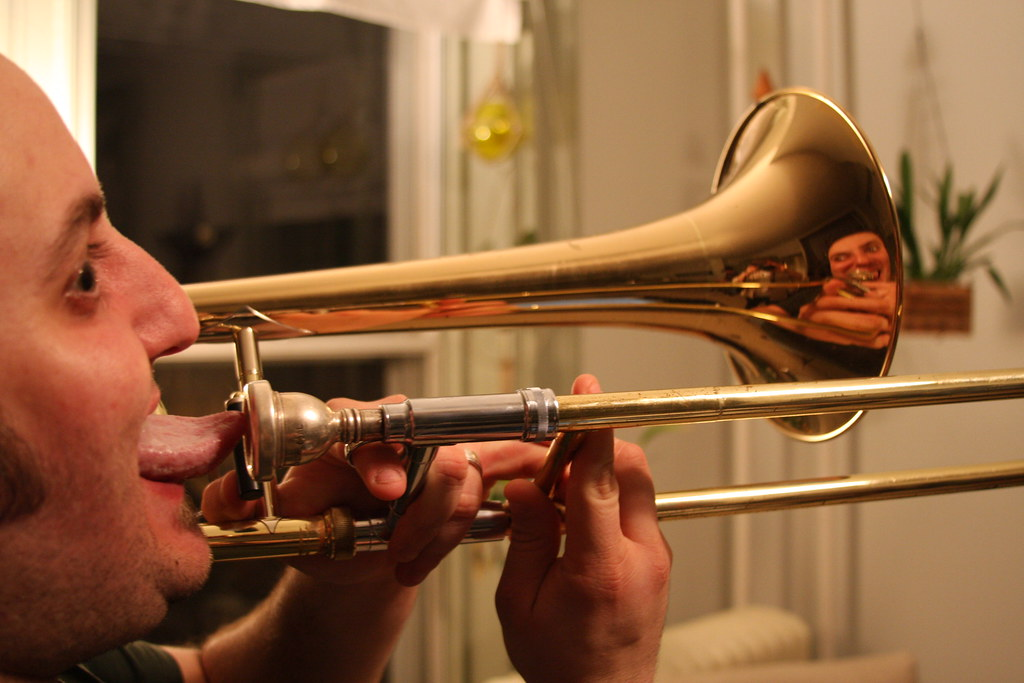
In our exploration of the rusty trombone, we have delved into the interplay between humor and language, uncovering how certain terms can evoke laughter while simultaneously sparking intriguing conversations. The rustic charm of this term belies its playful nature, encouraging us to embrace the joy found within linguistic creativity. Language is inherently dynamic, and the evolution of terms like rusty trombone illustrates how societal norms and humor intersect.
It is evident that phrases laden with double entendre or whimsy, such as the rusty trombone, serve not only as a source of amusement but also as a medium for cultural commentary. Engaging with such terms allows individuals to explore the boundaries of expression while recognizing the importance of context. The humorous nature of language often reveals deeper societal insights, offering both intimacy and a sense of community among those who share a laugh.
As we conclude this playful examination, we encourage readers to reflect on their interactions with language. Have you encountered other whimsical phrases or language quirks that evoke laughter? Sharing such experiences fosters a communal appreciation for the quirks of language, allowing for a richer dialogue among individuals from diverse backgrounds. Let us celebrate not just the rusty trombone as a playful term, but all expressions that make language a joyous medium. Your contribution to this fun dialogue is invaluable. Consider sharing your thoughts or similar terms in the comments section to engage with fellow readers and enhance our understanding of humor in language.
