


Introduction to Arial and Aerial
arial vs aerial the discussion of typography and language, Arial and Aerial often emerge as terms that evoke confusion due to their similar phonetic sounds yet distinctly different meanings. Understanding the difference between these terms is essential not only for clear communication but also for grasping their respective contexts.
Arial, a sans-serif typeface created by Robin Nicholas and Patricia Saunders in 1982, has become synonymous with digital text. This typeface is characterized by its clean lines and modern look, making it a popular choice for both print and digital media.arial vs aerial is regularly employed for a range of applications including websites, business documents, and advertising materials, largely due to its legibility across various platforms and devices.
On the other hand, Aerial is an adjective that pertains to the air or atmosphere. Usage of the term often relates to concepts such as aerial views, aerial photography, and other expressions that describe something that is above or in the sky. This term conveys a sense of elevation or distance from the ground, contrasting sharply with the functional attributes associated with the Arial typeface.
The understanding of these differences is crucial for professionals in various fields, particularly in graphic design and communication. Knowing when to use Arial in a visual context and distinguishing it from aerial-related concepts can significantly enhance clarity and coherence in both written and visual compositions.
Historical Background of Arial
Developed in the early 1980s, the Arial typeface was created by designers Robin Nicholas and Patricia Saunders for the Monotype Corporation. This font was designed as a sans-serif typeface, intended to serve a similar purpose to the popular Helvetica font but with some unique characteristics. Arial was officially released in 1982, quickly making a name for itself in the burgeoning digital typography landscape.
One of the crucial reasons Arial gained traction in the 1980s was its inclusion in various software platforms, particularly Microsoft products. In 1990, when Microsoft adopted Arial as one of its core typefaces, its popularity soared dramatically. arial vs aerial This decision facilitated a widespread adoption of the font, allowing it to become a staple in both professional and personal use. Noteworthy is the fact that Arial was designed to be highly readable on screens and in print, which contributed to its ascent as a favored choice for digital typing.
Arial’s design features include a modern and clean appearance, characterized by open letterforms and balanced proportions. These attributes make it particularly versatile for a variety of uses, from corporate branding to informational brochures. arial vs aerial As the digital age evolved, so too did the demand for fonts that maintained clarity and professionalism across various mediums, further solidifying Arial as a preferred option in the typeface world. Notably, arial vs aerial it is often compared to its counterpart, Helvetica, but has distinct features that set it apart. While Helvetica boasts a more traditional design, Arial tends to appear more contemporary, reflecting changing aesthetic preferences over time.
Exploring the Meaning of Aerial
The term ‘Aerial’ encompasses a rich array of meanings that extend well beyond its typographical association with the font named Arial. In various contexts, ‘Aerial’ often pertains to anything related to the air or atmosphere. arial vs aerial One of the most prominent uses of this term can be found within the realms of photography and mapping.
Aerial photography captures images from an elevated perspective, providing a unique viewpoint that cannot be achieved from the ground. arial vs aerial This technique is prevalent in fields such as cartography, archaeology, and environmental monitoring, where experts utilize aerial images to study land usage, natural resources, and topography. Similarly, aerial mapping employs technology and imagery from the air to create precise representations of geographical areas, offering crucial data for urban planning and development.
In the world of aviation, the ‘aerial’ often describes arial vs aerial operations, flight maneuvers, and activities that take place above the ground. Aerial acrobatics showcase the skill and precision of pilots as they perform intricate maneuvers in mid-air, much to the awe of spectators. Moreover, in cultural references, the concept of ‘aerial’ appears in various art forms, including dance, where aerial performances often involve artistic displays of movement while suspended above the ground.
The multifaceted nature of the term arial vs aerial illustrates its significance in both practical applications and cultural contexts. It is important to recognize its diverse implications, which can enrich our understanding of the word beyond just a comparison to the font Arial. As such, ‘Aerial’ embodies an expansive domain of interpretations that resonate across sectors, from technology and arts to practical applications in nature and science.
Practical Applications and Misconceptions
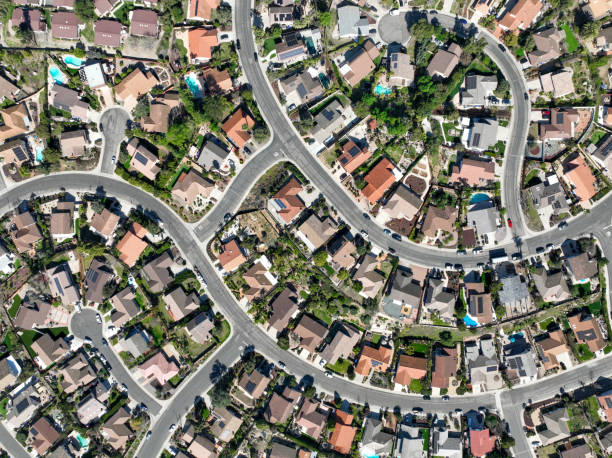
When discussing Arial vs Aerial, it is essential to clarify some common misconceptions that may arise regarding their use in various contexts, particularly in design and everyday language. Arial is a widely recognized sans-serif typeface, commonly utilized in digital and print media due to its clarity and simplicity. Aerial, on the other hand, generally refers to something situated in the air or relating to aircraft, and it can also describe perspectives or views from above.
One prevalent misconception is that Arial can be confused with the adjective aerial in design contexts. For instance, some designers may mistakenly assume that Arial is suitable for all projects that require an ‘airy’ or ‘light’ typeface, when in fact, arial vs aerial its visual characteristics differ significantly from those intended by the term aerial. In practical applications, it is crucial to choose your typographic elements based on not only aesthetic qualities but also the message you wish to convey. Hence, Arial should be chosen for clarity in text documents, while more specialized fonts may serve better for artistic or aerial-themed designs.
To help remember the distinction between Arial and aerial, consider that Arial has an ‘r’ in it, just like the typeface, while aerial has an ‘e’, relating to its elevation in the air. This visual cue can provide a helpful mental shortcut. Situations that lend themselves to the use of Arial typically include emails, reports, and professional documents, where legibility is paramount. Conversely, when discussing subjects such as sky photography, flight paths, or height-related topics, the term aerial would be more appropriate.
By approaching the usage of Arial vs aerial with a critical eye to language and design, individuals can enhance their communication and effectively convey their ideas to their audience.
