Sports Lingo Tagalog: Guide to Pinoy Basketball and Volleyball Terms

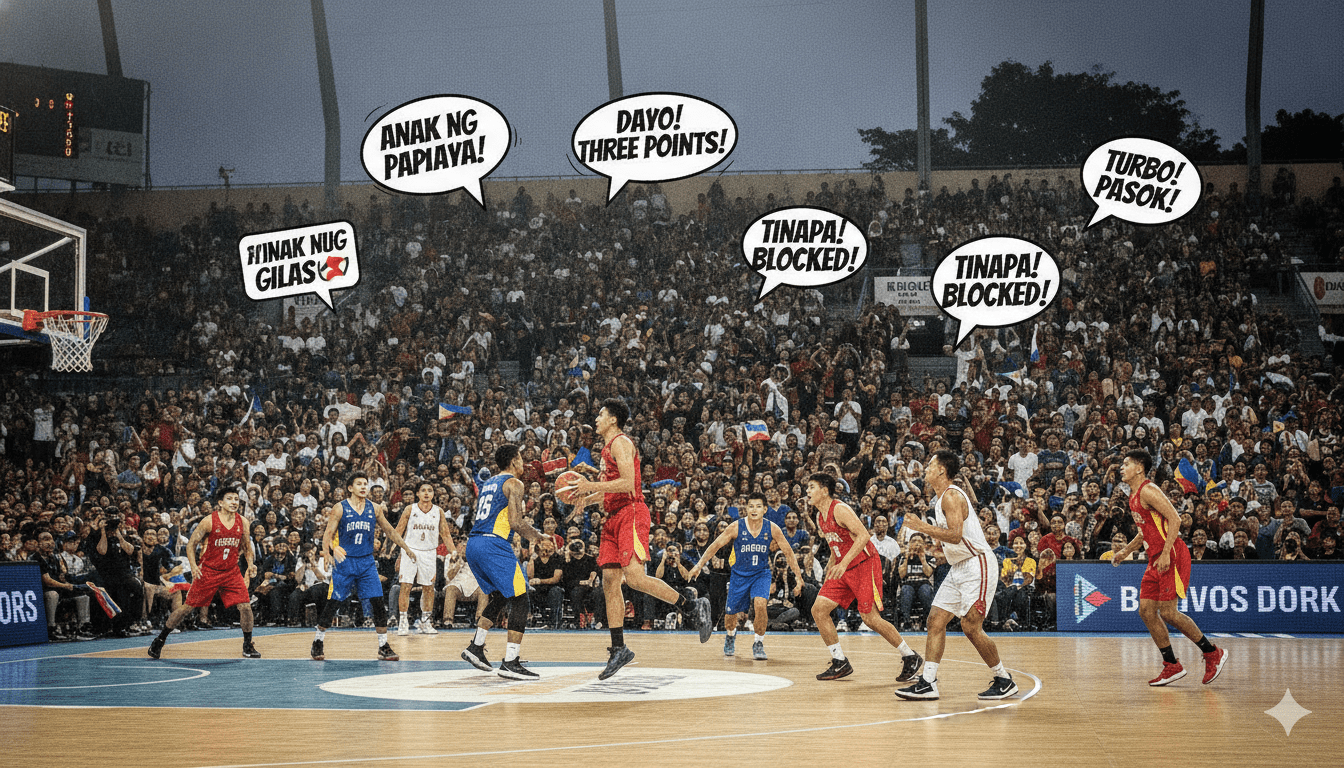
If you ever watch a basketball game in the Philippines, you will hear very unique words. Fans and players yell out terms that might sound strange at first. This is what we call Sports Lingo Tagalog. It is a colorful mix of local words, English terms, and street slang. Filipinos love sports, especially basketball and volleyball. Because of this love, they created their own special language to describe great plays, bad misses, and intense game moments. Understanding these words helps you enjoy the game much more. It makes you feel like you are part of the local crowd.
The way Filipinos talk about sports is changing fast. Today, it is not just about the words on the official rulebook. It is about the feelings, the humor, and the community. When you go to a local neighborhood court, known as a liga, the energy is amazing. People of all ages gather to watch and cheer. Learning these terms is like getting a pass into Filipino sports culture. It lets you connect with people instantly. Let us dive into the fun world of local sports terms and see how they are used every day.
10 Popular Sports Lingo Tagalog Terms
| Tagalog Term | Literal Meaning | Sports Meaning | Example Usage |
| Palis | Sweep or brush off | A clean block or rejection | “Grabe ang palis niya sa bola!” |
| Supalpal | Slapped hard | A brutal block in basketball | “Nasupalpal ang kanyang lay-up.” |
| Toma | To drink alcohol | A high-arc shot that goes in | “Swak ang toma niya mula sa malayo.” |
| Butata | Blocked clean | Blocked a shot completely | “Butata ang spike ng kalaban kanina.” |
| Dakdak | To slam down | A heavy slam dunk | “Bumaba siya para sa isang matinding dakdak.” |
| Luto | Cooked | An unfair game or fixed referee | “Luto ang laban, laging pito sa kabila.” |
| Buwaya | Crocodile | A ball hog player who does not pass | “Huwag kang buwaya, ipasa mo ang bola.” |
| Bangko | Bench | A substitute player who sits a lot | “Palaging nasa bangko ang bagong manlalaro.” |
| Kanto Shot | Corner shot | A three-point shot from the corner | “Pasok ang kanyang kanto shot sa dulo!” |
| Chamba | Pure luck | A lucky shot that went in by chance | “Chamba lang ang tira na iyon mula sa gitna.” |
Understanding the Roots of Pinoy Sports Culture
To really know sports lingo Tagalog, you must understand Pinoy sports culture. Sports in the Philippines are all about community and joy. People play on dusty streets, concrete lots, and indoor gymnasiums. They do not need expensive gear to play a good game. A makeshift hoop made of an old bicycle rim is enough for a basketball match. This creative spirit shows up in the language they use. They take foreign words and flip them into funny local phrases. It makes the game feel closer to their hearts and daily lives.
Filipino sports language also shows how creative people are with words. They combine words to make descriptions shorter and punchier. For example, they can turn a complex basketball play into a single slang word. This helps players talk fast during a quick break on the court. It also helps commentators keep the TV or radio audience excited. This shared language builds a deep bond among fans. It turns a simple game into a big celebration of friendship and local pride.
The Colorful World of Barangay Basketball Slang
Go to any local barangay court and you will hear sports lingo Tagalog everywhere. Basketball is like a second religion in the country. When a player drives to the basket and gets blocked hard, people shout supalpal or butata. These words describe the physical action perfectly. They make the crowd laugh and tease the player. If a player keeps the ball too long and never passes, they are called a buwaya. Nobody wants to be called a crocodile on the court, so it teaches players to pass.
There are also terms for where you shoot the ball. A shot from the exact corner of the court is called a kanto shot. If someone makes a wild shot while falling down, people call it chamba. It means the shot was pure luck, not skill. These words are passed down from older players to young kids. This keeps the street basketball culture alive and kicking. It shows that playing sports is not just about winning points, but also about having fun together.
How Volleyball Changed Local Sports Talk
Volleyball is another sport that uses a lot of sports lingo Tagalog. It has become very popular across the country because of college leagues. When a player hits the ball down with power, it is a spike. But locals call it a heavy hit or palo. If the defense blocks that hit cleanly, they say palis. The ball simply bounces off the blocker’s hands and falls back down. It shows how defensive moves can be just as exciting as big offensive plays.
The fans in volleyball also use slang to cheer for their favorite school teams. They use words that describe the speed and flight of the ball. If a serve is very fast and low, it drops like a stone. Players have to use quick reflexes to save it. The terms used in volleyball are often graceful but full of intense energy. This mix makes volleyball commentary unique and fun to listen to during big championship matches.
The Role of Local Commentators in Creating Slang
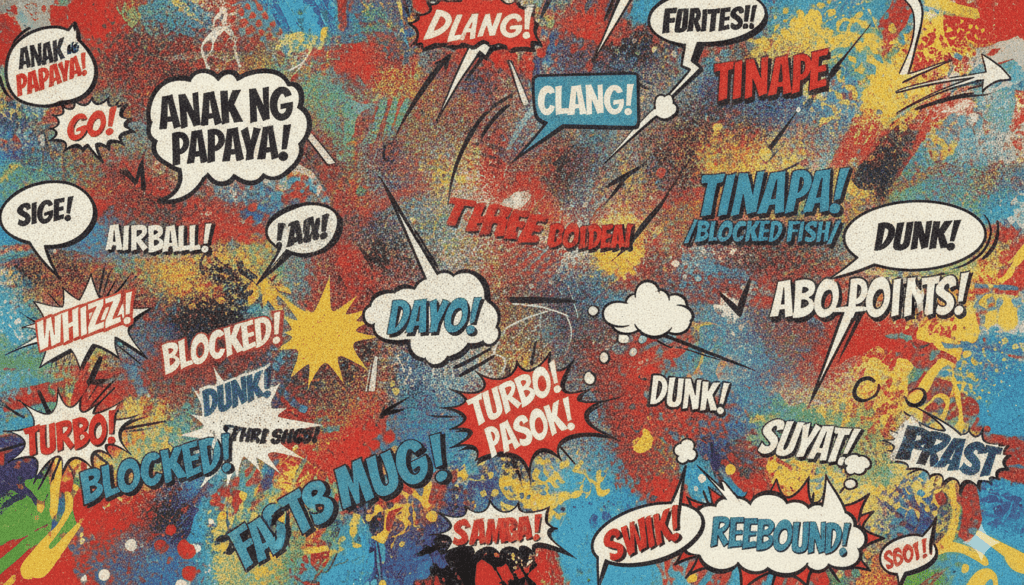
TV and radio commentators are very important for spreading sports lingo Tagalog. They do not use boring words when they describe live actions. They use funny metaphors and colorful street phrases to keep viewers awake. When a player scores many points in a row, a commentator might say they are on fire or nag-aapoy. This word creates a vivid picture in the mind of the listener. It makes the sports broadcast feel alive, warm, and highly engaging for families watching at home.
These professional commentators often pick up words from street games and bring them to national television. When they do this, the words become official parts of the national sports vocabulary. Young kids hear these terms on TV and start using them in their own neighborhood games. It creates a neat cycle where street talk influences media, and media strengthens street talk. This keeps the sports language fresh, updated, and always fun to use.
Why We Use Slang Words on the Court
Using sports lingo Tagalog makes communication faster when you play. Basketball and volleyball are very fast games where seconds matter. You do not have time to speak in long, formal sentences. Saying a single word like pasa or tira tells your teammate exactly what to do next. It saves time and helps your team win the play. It also helps teammates understand each other without the opposing team knowing the strategy. It acts like a secret code for the group.
Slang also helps handle the psychological side of the game. When you tease an opponent using funny terms, it can break their focus. It is a friendly way of trash-talking that is common in Filipino sports culture. At the same time, using these words with your teammates builds high morale. It brings smiles even during tough and sweaty games. It reminds everyone that the core goal of the game is to enjoy each other’s company.
The Difference Between Formal Terms and Street Slang
There is a big gap between formal words and sports lingo Tagalog street slang. Formal terms are the ones you read in rulebooks or hear in international matches. They are exact, clean, and serious. On the other hand, street slang is loose, funny, and full of emotion. For example, a referee’s mistake is formally called an error. On the street court, players will loudly shout luto to mean the game is cooked or unfair. It adds drama to the afternoon match.
Another example is how we describe a player who sits on the bench. Formally, they are a substitute or reserve. In street games, they are simply called the bangko. It sounds a bit harsh, but it is used with a lot of humor. Most players accept these slang terms with a smile. They know it is all part of the local playground culture. This contrast shows how language adapts to fit the mood of the people using it.
How Modern Media Spreads Local Sports Phrases
Social media platforms like Facebook, TikTok, and YouTube help spread sports lingo Tagalog very quickly. Highlights of local games go viral every single day. Content creators use catchy slang words in their video captions and video titles to get clicks. When a video shows a player doing a huge dunk, the caption will prominently feature the word dakdak. Millions of viewers see these captions and use the words in their daily text chats and comments.
This digital shift means that sports terms are no longer limited to one specific town or city. A slang word born in a small street court in Manila can travel to islands far away in just a few hours. It unifies Filipino sports fans across the globe. Even Filipinos living abroad use these terms to feel connected to home. It serves as a visual and verbal bridge back to their childhood roots and hometown courts.
The Impact of Slang on Team Chemistry and Bonding
Playing sports is a great way to make friends, and sports lingo Tagalog acts as the perfect social glue. When a new player joins a local game and uses the right slang, they are instantly accepted by the group. It proves they know the unwritten rules of the playground. It breaks the ice and removes any awkward feelings between strangers. Sharing a laugh over a lucky chamba shot creates a quick bond that can lead to long-lasting friendships.
Teams that use these terms often have better chemistry during tight games. They can read each other’s movements and intentions easily. The familiar words provide comfort and reduce stress when the game score is very close. It turns a group of individual players into a tight-knit squad. This strong sense of belonging is why many Filipinos keep playing sports throughout their adult lives. It keeps them active and socially connected.
Fun Examples of Slang Used in Daily Friendly Games
To see sports lingo Tagalog in action, look at a standard weekend game between neighbors. You will see a player shoot from way outside the line and make it. His friends will tease him by shouting toma or saying he drank a good magic potion before the game. If the next shot misses the rim completely, they will laugh and call it an airball or sabit. The lighthearted teasing is constant and keeps the atmosphere bright and cheerful for everyone.
If the referee makes a bad call, the crowd will jokingly shout luto ang laban even if there is no prize on the line. It is all done in the spirit of good fun and entertainment. These small interactions show that the language of sports is woven deeply into the fabric of daily Pinoy life. It makes community gatherings vibrant and memorable. It ensures that every single game is packed with laughter, stories, and shared memories.

Frequently Asked Questions
What does “sports lingo Tagalog” mean?
It refers to the unique slang words, phrases, and terms used by Filipino players and fans when playing or watching sports like basketball and volleyball.
Why is a ball hog called “buwaya” in Filipino sports?
The word buwaya means crocodile. In sports, it describes a greedy player who keeps the ball for themselves and refuses to pass it to teammates.
What is the meaning of “luto” in a game?
Luto literally means cooked. In sports slang, it means the game is fixed, rigged, or unfair, usually because the referee is favoring one side.
Is sports lingo used in official tournaments?
Yes, local TV commentators often use these words to make the broadcast more exciting and relatable for the ordinary Filipino audience.
What does “chamba” mean when shooting a ball?
Chamba means pure luck. It is used when a player makes a difficult or wild shot by accident without intending to do it that way.
Why do Filipinos create special slang for sports?
Filipinos love community and humor. Creating slang makes the games more fun, helps players communicate faster, and builds a stronger bond among friends.
Conclusion
Learning sports lingo Tagalog is the fastest way to appreciate the deep passion Filipinos have for sports. These words show the humor, creativity, and close community bonds found on every local court. Whether you are shouting supalpal after a big block or laughing at a lucky chamba shot, these terms bring people closer together. They turn a simple game into a shared cultural experience. So, the next time you step onto a local court or watch a Pinoy game online, try using these terms. You will amaze the local players and join in on the true fun of the game!