A Comprehensive Guide on Converting JSON to YAML

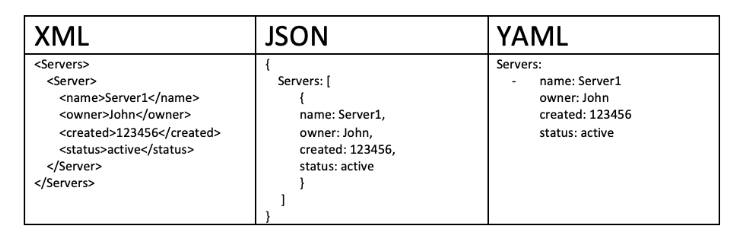
Understanding JSON and YAML
JSON to YAML, which stands for JavaScript Object Notation, is a lightweight data interchange format that is easy for humans to read and write. It is also easy for machines to parse and generate. JSON is primarily used for transmitting data between a server and a web application, serving as an ideal medium for data exchange in APIs. Its structure is based on key-value pairs and arrays, represented in a text format that is both language-independent and flexible enough to support complex data structures.
On the other hand, YAML, or YAML Ain’t Markup Language, is another popular data serialization format that emphasizes human readability.JSON to YAML It is designed to be more accessible than JSON, allowing users to express data hierarchies in a straightforward manner. YAML utilizes indentation to represent structure, which makes it visually cleaner and easier to comprehend at a glance. It is widely used in configuration files and data exchange scenarios where human interaction is more common.
When discussing the advantages of JSON, its compatibility with JavaScript is a key point. This makes JSON especially suitable for web development. However, JSON can become verbose, particularly in deep data structures, which can reduce readability. In contrast, YAML’s user-friendly syntax allows for more concise and clear representations, but its reliance on indentation can lead to errors if not formatted correctly. Additionally, while YAML supports comments and complex data types, it may require a steeper learning curve for those unfamiliar with its syntax.
In conclusion, both JSON and YAML serve distinct purposes in data serialization. Understanding their respective structures and use cases is essential, especially when the need for conversions between the two formats arises.
Why Convert JSON to YAML?
YAML, or Yet Another Markup Language, is often favored for its concise syntax and human-friendly structure, making it a preferred choice in scenarios where data needs to be presented clearly. Unlike JSON, which uses braces and quotes that can make the content cumbersome to navigate, YAML relies on indentation and minimal formatting, allowing users to easily read and comprehend complex configurations.
One of the primary contexts in which converting JSON to YAML is beneficial is within configuration files. Various applications, especially in DevOps, utilize YAML for configuration management. Tools like Docker Compose, Kubernetes, and Ansible predominantly utilize YAML for defining configurations, primarily due to its simplicity. Therefore, for developers and system administrators working with these tools, converting JSON data to its YAML equivalent can streamline the process of integration, allowing for smoother workflows.
Furthermore, the tech industry has noted an increase in environments where JSON to YAML transformation is utilized. In web development, for example, frontend frameworks might require YAML format for their settings and initial configurations, necessitating conversion from JSON to ensure compatibility. Additionally, data scientists often find YAML more accessible for data serialization, where clarity in presenting parameters is essential. The benefits of converting JSON to YAML extend beyond mere syntax preferences; they embody practical applications across various sectors, emphasizing enhanced readability, maintainability, and ease of use within different applications and frameworks.
Methods and Tools for JSON to YAML Conversion
Converting JSON to YAML can be executed through various methods that cater to different user preferences and technical expertise. Each method offers unique advantages, whether you are looking for a manual approach, online tools, or programming libraries.
Manual Conversion: For those who prefer a hands-on approach, manually converting JSON to YAML is feasible, especially for small data sets. This method entails formatting the JSON structure into a YAML format by following a set of rules: replacing braces with indentation, removing commas, and changing colons to spaces. For instance, a JSON object may look like this:
Online Conversion Tools: Several websites provide instant conversion services, allowing users to paste their JSON code and receive a YAML output in seconds. Tools like and offer user-friendly interfaces, enabling even non-technical users to perform quick conversions. Typically, you would copy your JSON code, paste it into the tool, and click a conversion button to generate YAML formatted data.
Programming Libraries: For developers looking to integrate JSON to YAML conversion into applications, programming libraries are available in various languages. Libraries such as for Python or for JavaScript allow for programmatic conversion. JSON to YAML A sample code snippet for Python would look like this:
Best Practices and Common Pitfalls in Conversion

Converting JSON to YAML can be straightforward, but it’s essential to adhere to best practices to minimize potential errors that may arise. One fundamental practice is to maintain consistency in data structure. Both JSON and YAML have distinct formatting rules, and ensuring that nested data and arrays maintain integrity during the conversion process is crucial. Always re-check the syntax to confirm that your YAML representation is valid after conversion. This helps in preserving the data integrity and avoids issues in data parsing.
Another best practice involves using automated tools or libraries specifically designed for the task of converting These resources often incorporate error-checking features that can highlight inconsistencies or unsupported character encodings that would otherwise alter the data meaning or structure.
Common pitfalls in the conversion process often stem from overlooking the semantic differences between JSON and YAML. For instance, JSON uses curly braces for objects and square brackets for arrays, while YAML emphasizes readability and relies on indentation rather than punctuation. Therefore, switching between these formats without adjusting the structure can lead to misinterpretations of the data hierarchy.
It is also critical to be wary of how data types are represented. JSON strictly differentiates between strings, numbers, and boolean values; YAML, however, has more lenient parsing rules that might misrepresent data types. Testing the converted files for compatibility with the intended applications can prevent issues later on.
In summary, successfully converting JSON to YAML requires careful attention to the structure, data integrity, and format compatibility. By following established best practices while remaining vigilant about common pitfalls, one can achieve seamless conversions that uphold high data quality standards.